The photographic project tells an ancient story, rooted in Albanian oral traditions, connected to the Kanun of Lekë Dukagjini, a code that Father Costantino Gjeçov collected in 1912 in the communities of Mirdita, Madhe, and Dukajini. The Kanun regulated relations between individuals and clans, establishing moral and legal norms, among which the Gjakkmarrje, the blood feud. It was not a matter of blind hatred, but of community balance: the killing of a man required an immediate response to maintain honor and respect within society. The Besa, the truce, allowed revenge to be postponed, avoiding rash decisions.
During the civil war of 1997, clan feuds resumed violently, leaving families trapped in fear, children forced to abandon school, and communities marked by terror. I encountered these hidden realities in their mountain homes, breathing in the smell of their homes, listening to stories and traditions, and sharing moments of hospitality. I witnessed the dignity and helplessness that permeate these lives.
Today, the Kanun is no longer in force, but revenge has been handed down. Some ancient practices have been violated, such as respect for women’s lives, and the code is sometimes used merely as a pretext for conflict between clans. According to Zef Sokoli Vladi, the Kanun should guide toward values of honor and common sense, leaving behind the cruel norms of the past. Blood feuds remain, bearing witness to a tradition that survives in the memory and need to uphold family honor, between historical memory and the dramatic consequences of inherited violence.
- Shkodër, Albania: this man has been in hiding in his home since April 2010 and has chosen to remain anonymous; his nephew is also in hiding in the Dukajini mountains because his brother killed the owner of the mill.
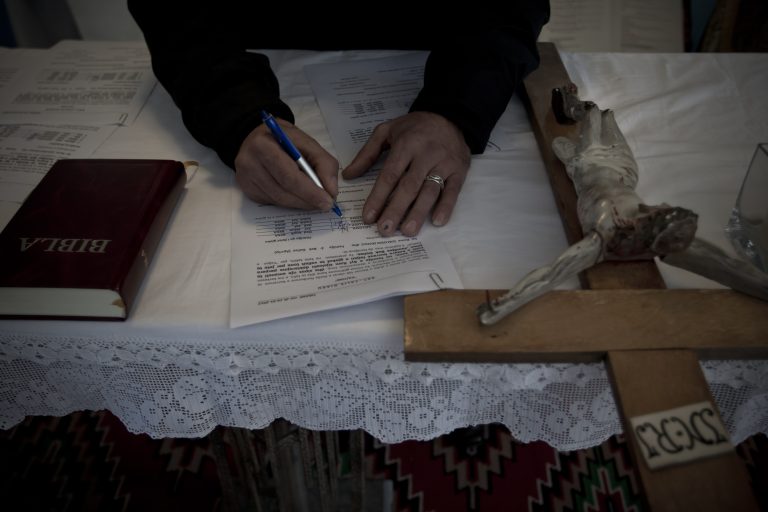
- Albania: an act of forgiveness; the signing of the contract by members of the FIS.
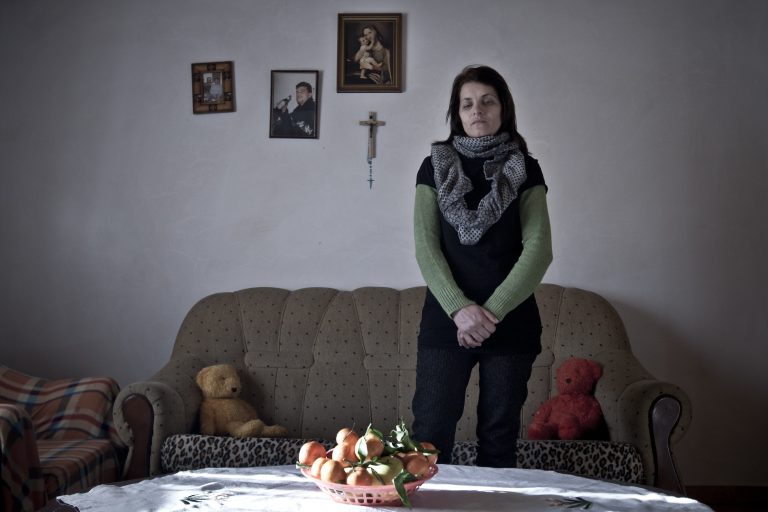
- Tirana, Albania, wife of a victim of the Kanun.
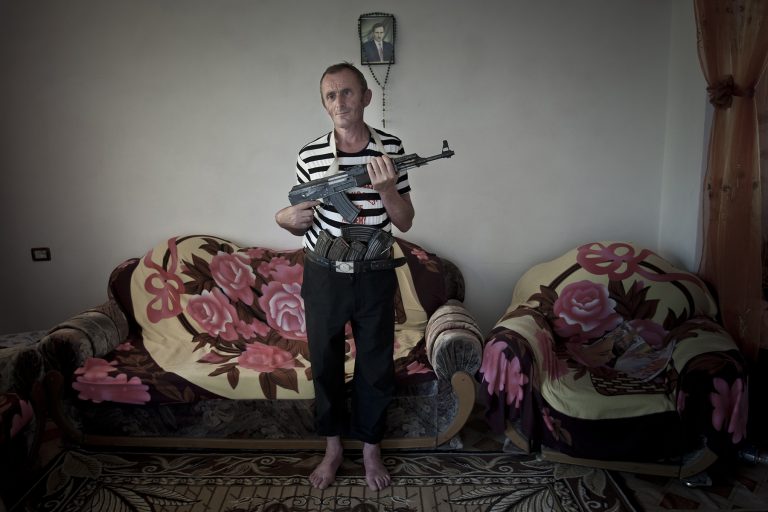
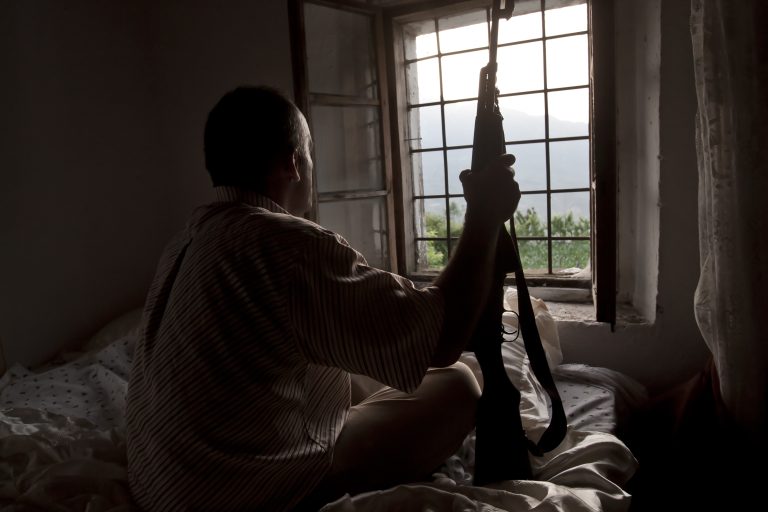
- Nicaj, Albania. This man, who has asked to remain anonymous, is not involved in any feud, but some of his acquaintances are, and his cousins have been in the past. His bed is positioned beneath the window, from which he can see or hear, whilst he sleeps, if anyone approaches his house.
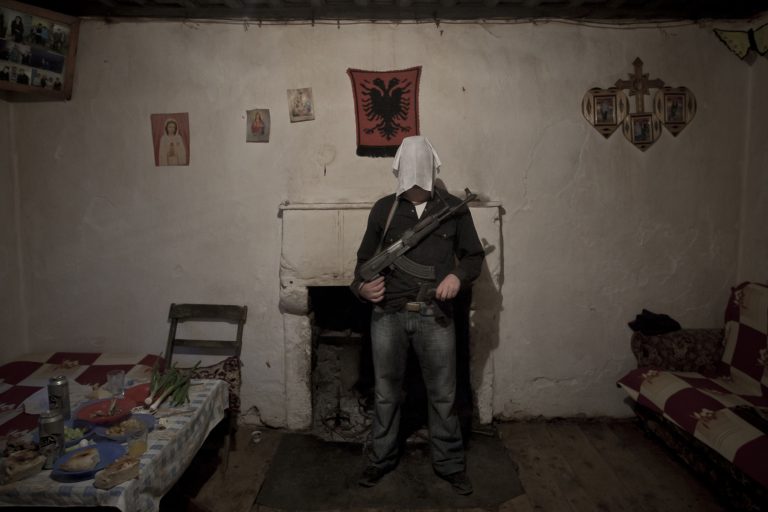
- In the Dukajini Mountains, Albania, this man has been on the run since April 2010; he wished to remain anonymous and is pictured with his face covered in his secret hideout; his brother killed the son of the mill owner.
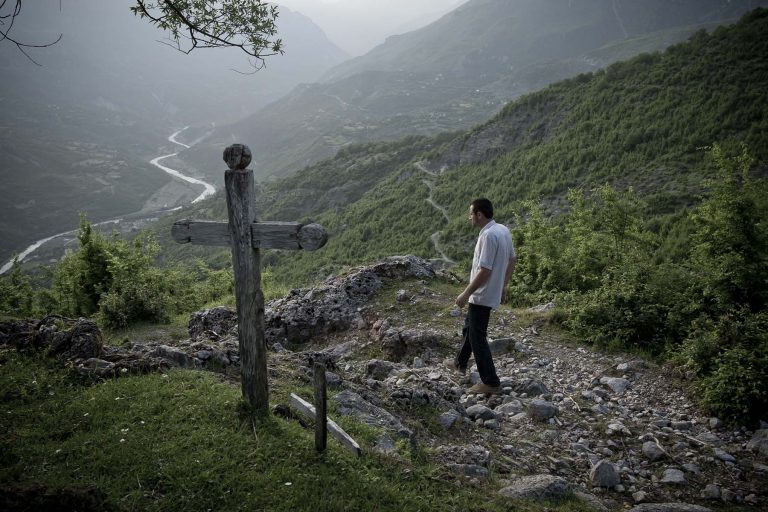
- Pecaj, Albania: Kole Vladaj, Zef’s eldest son, takes me to the Dukagjini mountains, to the mountain hut where the brother of the younger man who killed the mill owner’s son is hiding
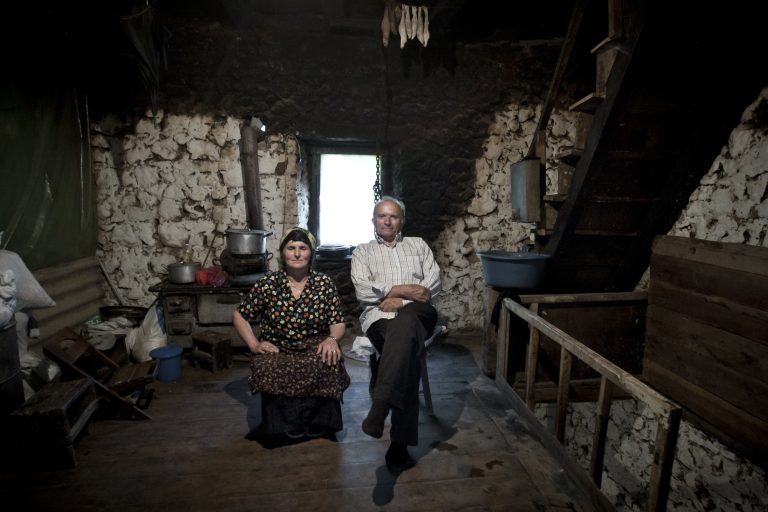
- Pecaj, Albania: Zef Sokoli Vladaj, a barajktar, poses with his wife.
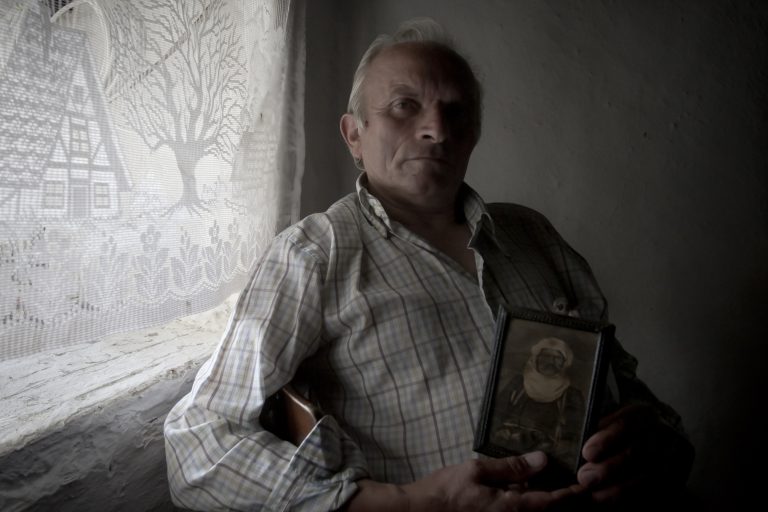
- In Pecaj, Albania, the barajktar Zef Sokoli Vladaj poses holding a photo of his father.
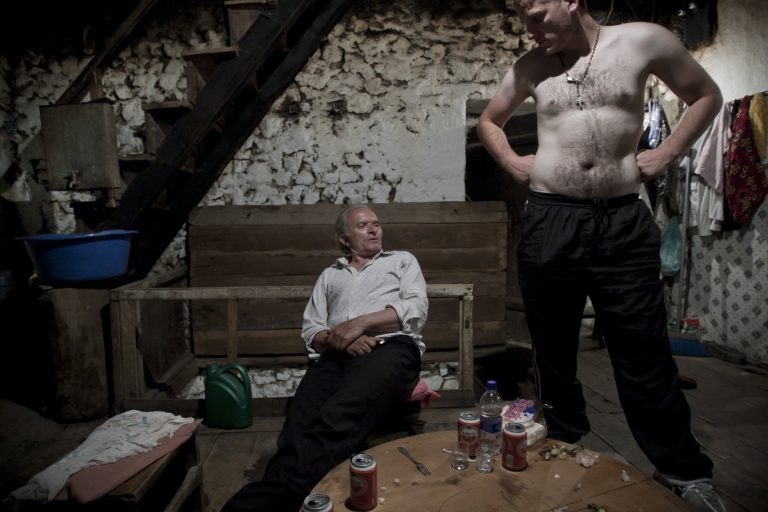
- Pecaj, Albania: after dinner, we discuss my departure from the mountains, which is to take place during the night.
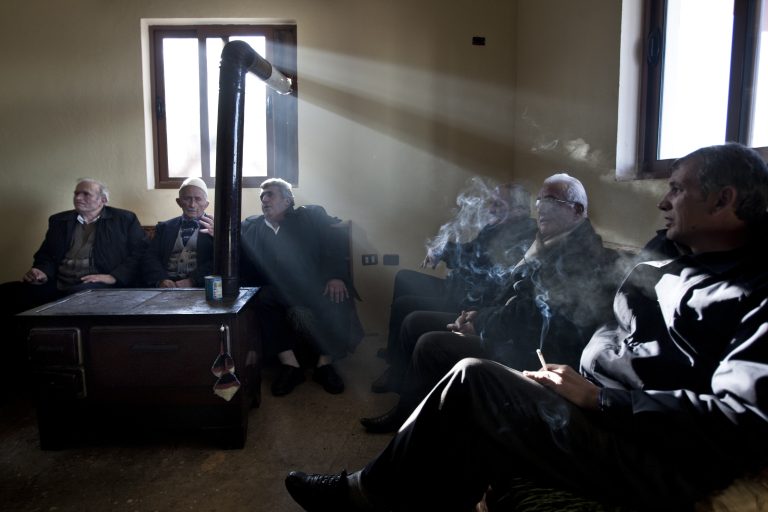
- Albania: the men meet with mediators before heading to the church where the ‘act of forgiveness’ will take place.
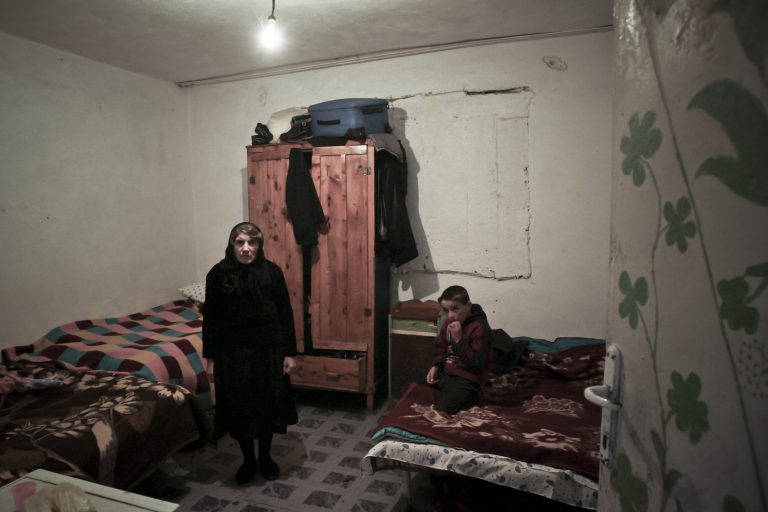
- Bushat, Shkodër County, Albania. In the Meta family’s bedroom, the window through which they were attacked with a grenade has been bricked up. Many family members died in the numerous reprisals. Seven children, two women and their grandfather survived.
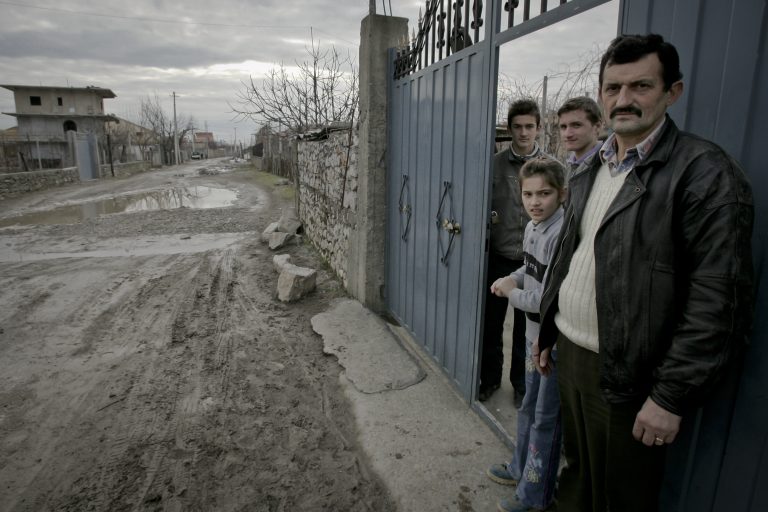
- In Shkodër, Albania, the family members of Kole Gjon Martinaj, who has been confined to his home since 2001, lean out of the gate to wave goodbye to me.