Following the 1967 Six-Day War, Israel began its military occupation of the West Bank, Gaza Strip, Sinai, and the Golan Heights. From 1973 onward, settlement expansion in the more remote areas of the occupied territories was encouraged. Yet, under the most recent Netanyahu government, Israel’s settlement project accelerated faster than any previous period in Israeli history.
Following the October 7th Hamas attack, the Israeli government endorsed a plan to increase financing to settlements and outposts and to construct new housing units, particularly in remote and isolated areas across the West Bank—what Israeli expansionists call “Judea and Samaria.”
Days after the attack, Israel’s National Security Minister Itamar Ben-Gvir authorized the distribution of weapons and uniforms without insignia to settlers across the occupied territories. This decision accelerated attacks against Palestinians, which became more frequent and punitive than ever before. Settlers, who once attacked their Palestinian families in civilian clothing and with rudimentary weapons, now regularly commit similar acts of violence in uniform and with assault rifles.
This project aims to shed light on the complex reality of the settlements. The focus is on the human aspect of this story: the daily lives, beliefs, and motivations of those who reside within them. Most settlers belong to religious-nationalist communities who possess a messianic view of history, but another significant block are drawn by economic incentives, often from abroad.
Some settlements are isolated, far from the major Israeli cities, with limited infrastructure. Social life in these areas is frequently built around the defense of their seized land. Illegal outposts often rely on financial support from Zionist communities—both Jewish and Christian—worldwide. These settlements are often positioned in areas strategically significant for Israel’s long-term control, further complicating any potential peace agreements.
The photographs take the viewer beyond the surface of political narratives, focusing on personal stories and the social implications of life in these remote places, where the coexistence of strong ideologies and daily routines creates a unique contrast. By exploring this dynamic, the work seeks to offer psychological and emotional insight into those living in these settlements, raising questions about the wider implications of occupation and the growing polarization between communities.
- West Bank, “Shoreshim farm,” an illegal outpost established in 2022 about 800 meters from Umm al-Khair.
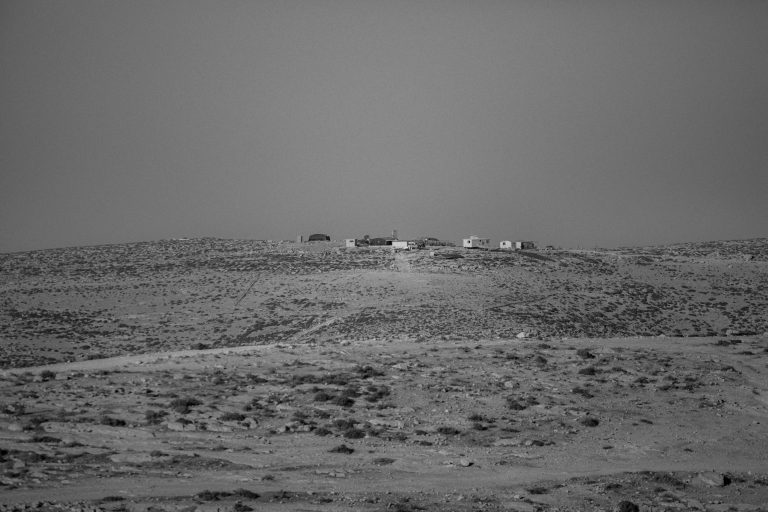
- Avitar, in the West Bank, was an illegal outpost even under Israeli law. It has already been cleared several times, but Internal Security Minister Ben Gvir supports the creation of places like this. Their aim is to recolonize Gaza. A few months after the picture was taken it has been legalized
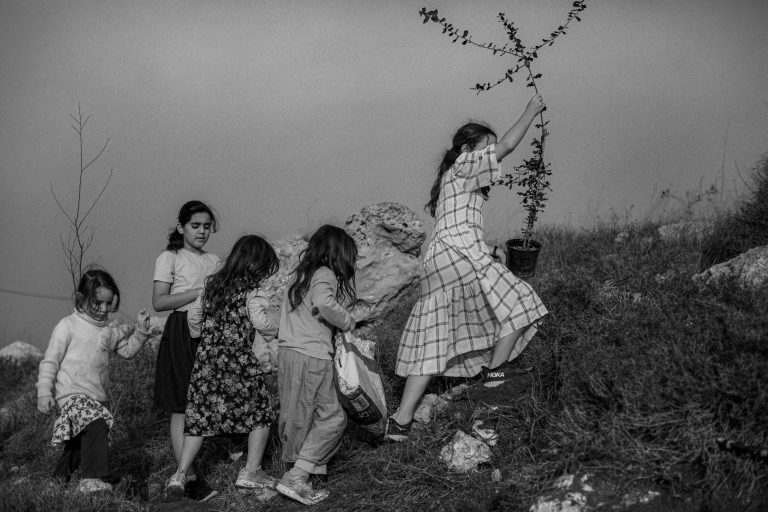
- Otniel Settlements, West Bank. Zionist teenagers from the settlement planting trees around the event area they are building thanks to donations received.
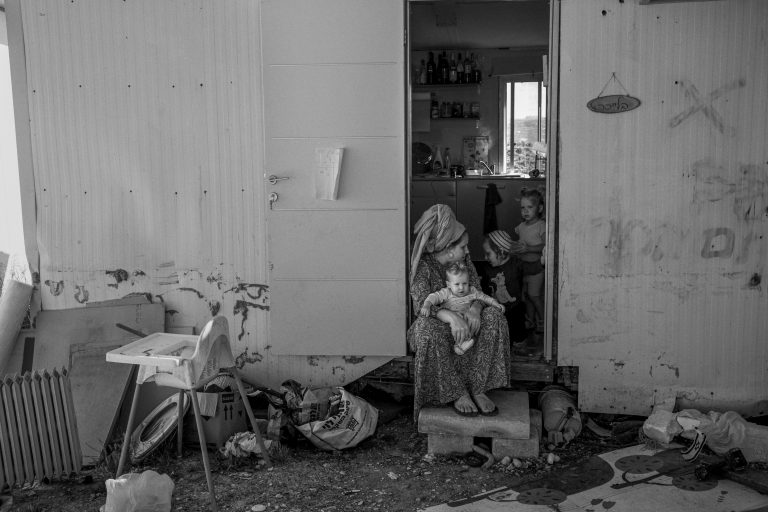
- Avitar, in the West Bank, is an illegal outpost even under Israeli law. It has already been evacuated several times, but Internal Security Minister Ben Gvir supports the establishment of places like this. Their aim is to recolonize Gaza.
- Yitzhar, West Bank. Images of daily life in a yeshiva. The Orthodox religious university.
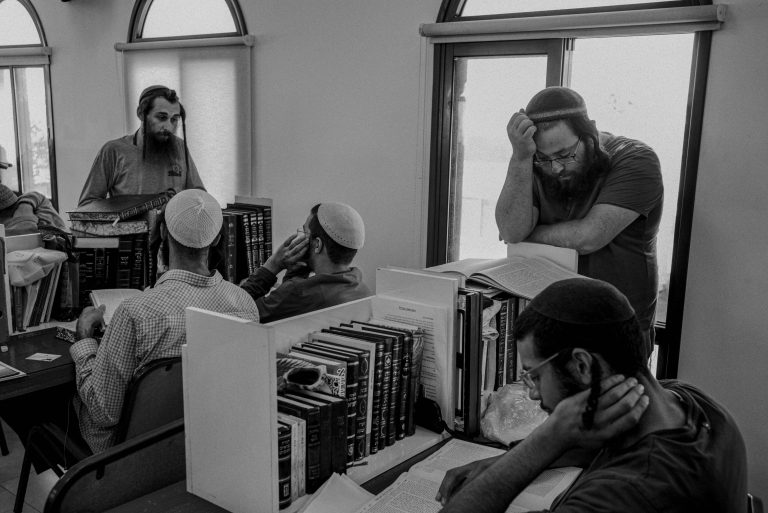
- Yitzhar, West Bank. Images of daily life in a yeshiva. The Orthodox religious university.

- Midgal Oz, Gush Etzion, West Bank. Myers Benjy, deputy head of civil defense in Migdal Oz since the attack of Hamas the 7 October.
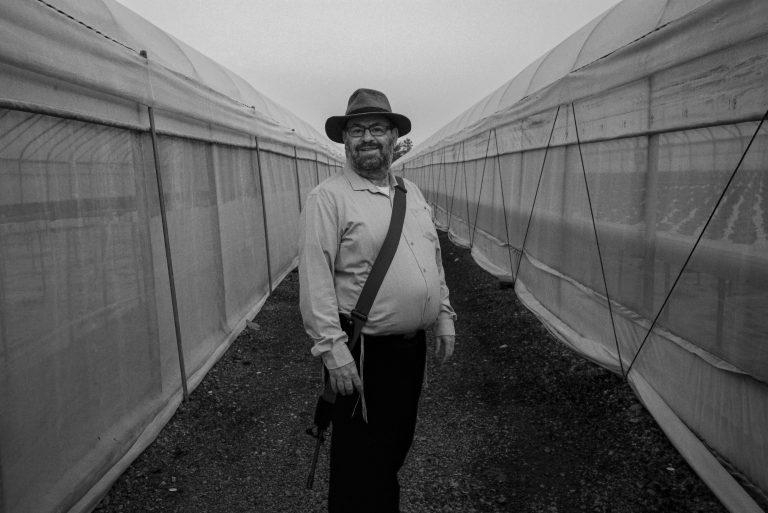
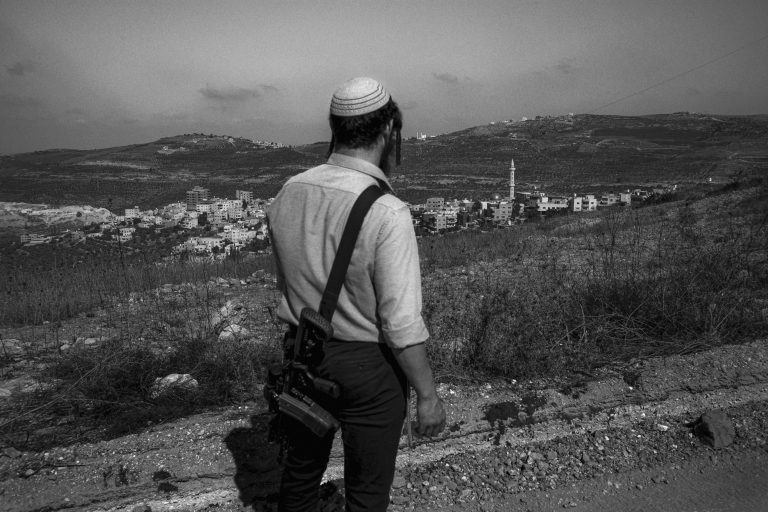
- Yehoshua Gelbard, a settler from Yitzhar, facing the Palestinian community of Asira al-Qibliya.
- Zanuta, South Hebron Hills, West Bank. The village destroyed after its inhabitants left due to excessive threats from settlers.
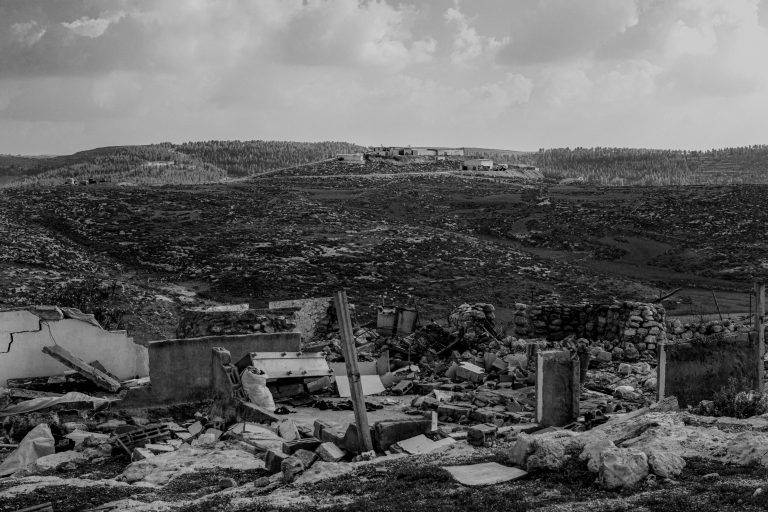
- Um Al Khair, Jordan Valley. The Bedouin village threatened by settlers from Karmel, a settlement established close to the village during the occupation after 1967. After October 7, threats from settlers increased and became more explicit, leading to the demolition of some structures, such as the village’s electrical substation.
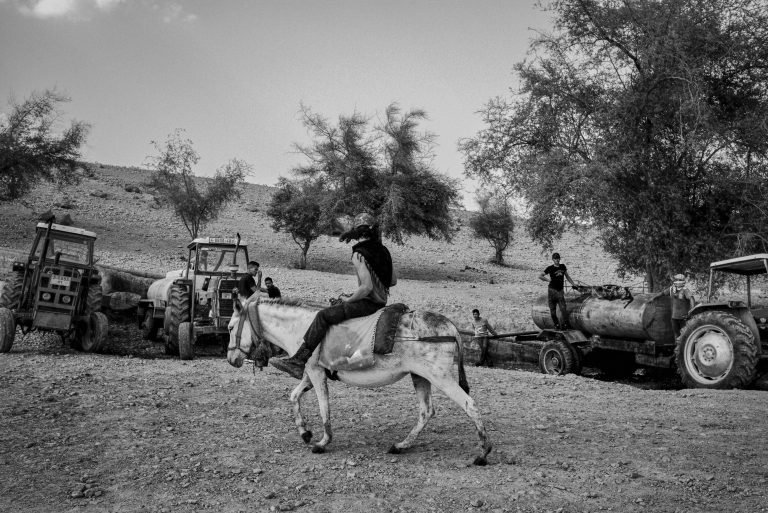
- Auja Spring, Southern Jordan valley. Palestinians must get the water by tanks for their sheeps and other animals in the farms around the area, because the pipes are cut by settlers or israeli autorities. In the picture an Israeli settlers is passing slowly watching the scene. Thanks to the activists of the association “Looking the occupation in the eye” many episodes of violnce from settlers to palestinains are avoided.
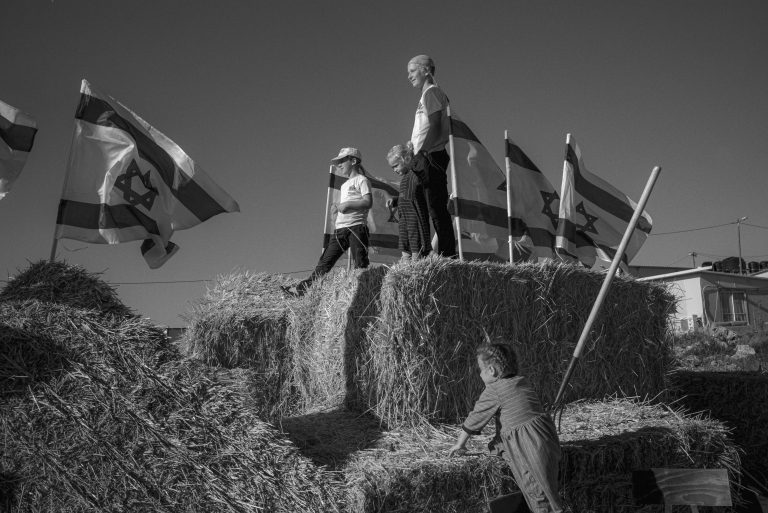
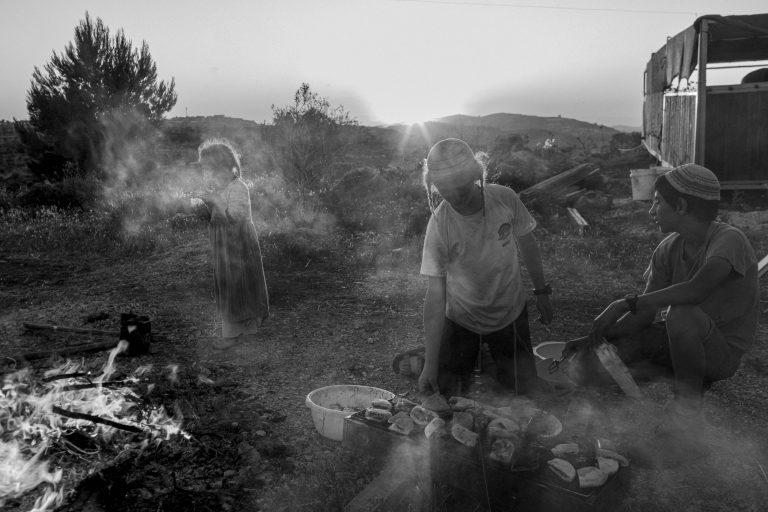
- Avitar, in the West Bank, is an illegal outpost even under Israeli law. It has already been evacuated several times, but Internal Security Minister Ben Gvir supports the creation of places like this. Their aim is to recolonize Gaza. In the photo, some children are having a barbecue.
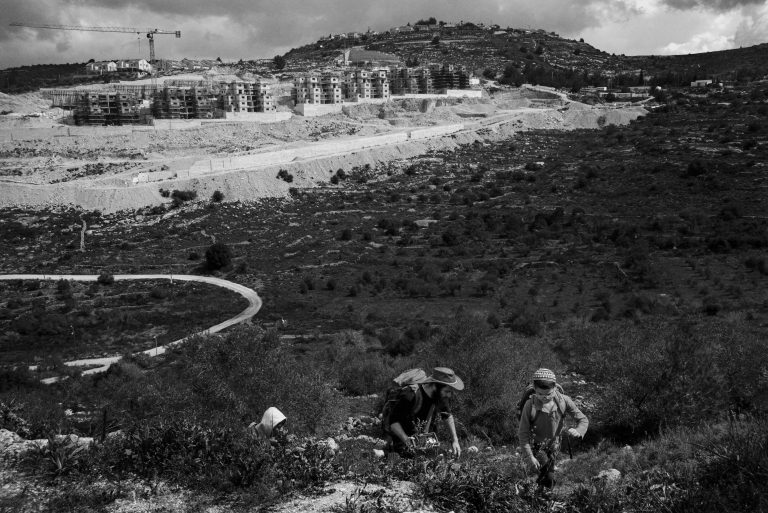
- A group of young scouts is returning from a hike, their path leading them back as they pass by the expanding Eli settlement in the distance. Construction cranes and newly built concrete structures stretch across the landscape, highlighting the growing development. The stark contrast between the natural beauty of the area and the rapid expansion of the settlement sparks concerns about the future of this contested region, where ongoing tensions between different communities remain unresolved.
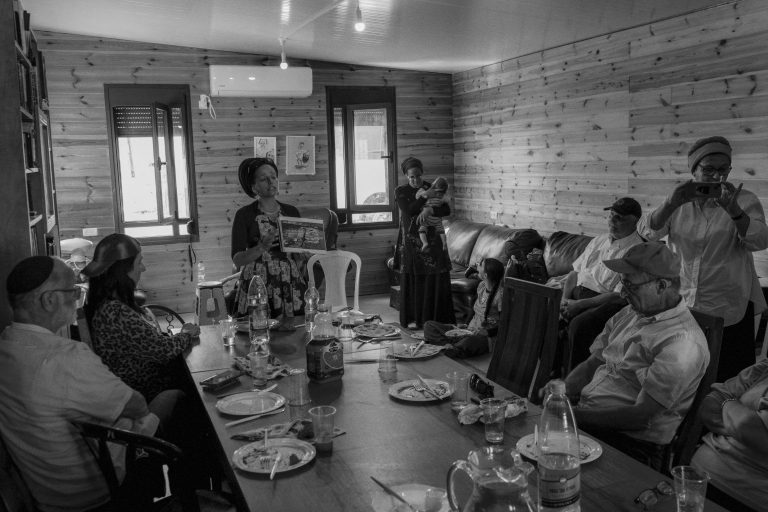
- Avitar, in the West Bank, was an illegal outpost even under Israeli law. It has already been cleared several times, but Internal Security Minister Ben Gvir supports the creation of places like this. Their aim is to recolonize Gaza. In the photo, Daniella Weiss’s assistant explains to a delegation of Zionist Jews from the US and Australia how the new settlement will be legalized. These types of meetings are very important for fundraising. A few months later, it was legalized.
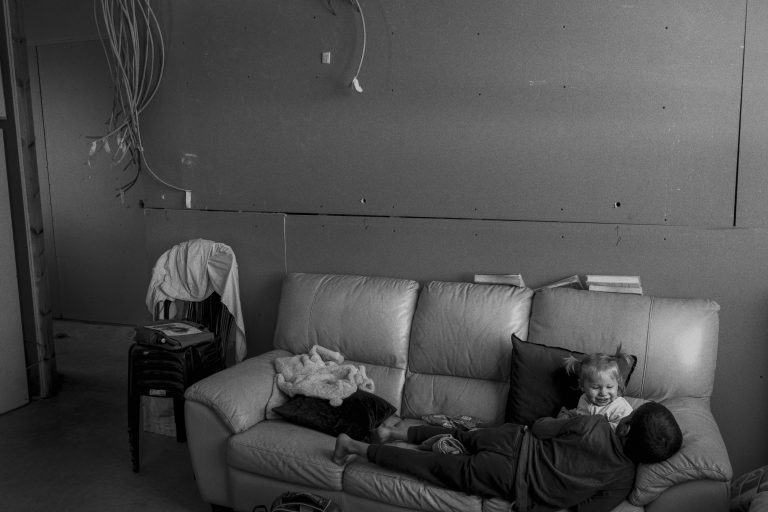
- Avitar, in the West Bank, is an illegal outpost even under Israeli law. It has already been evacuated several times, but Internal Security Minister Ben Gvir supports the creation of places like this. Their aim is to recolonize Gaza. The photo shows children playing.
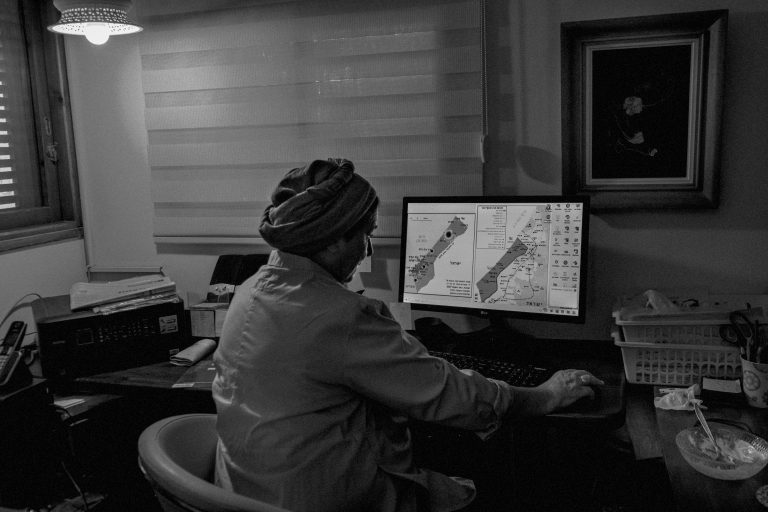
- Kedumim, West Bank. Former Kedumim mayor Daniela Weiss, an ultra-Orthodox settler belonging to the far-right Zionist ultra-Orthodox settler movement, examines maps of the Gaza Strip on her computer to study how to divide up land for redistribution to Israelis.
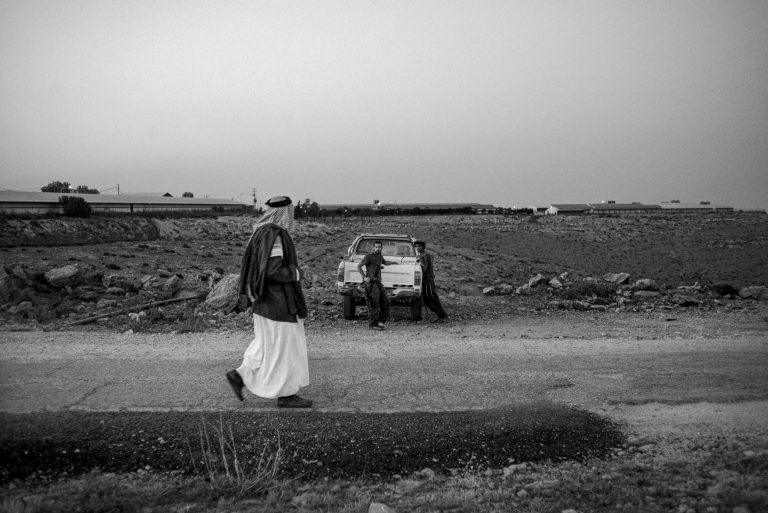
- West Bank. The village of Um-Al Khair has been largely destroyed by settlers and frequently attacked by residents of the Israeli settlement of Karmel. The photo shows how the settlement has advanced towards the village and the difference in infrastructure between the two communities.
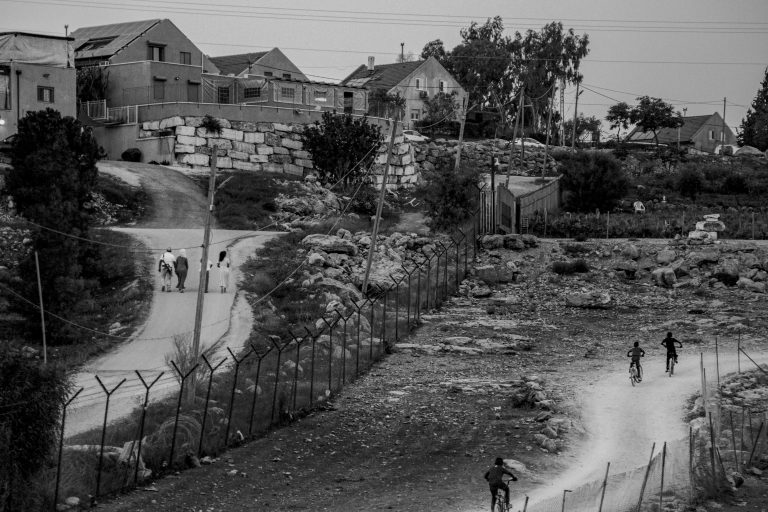
- Avitar, in the West Bank, is an illegal outpost even under Israeli law. It has already been evacuated several times, but Internal Security Minister Ben Gvir supports the establishment of places like this. Their aim is to recolonize Gaza. The photo shows a delegation of Zionist Jews from the US and Australia visiting the outpost to make donations to support the inhabitants.
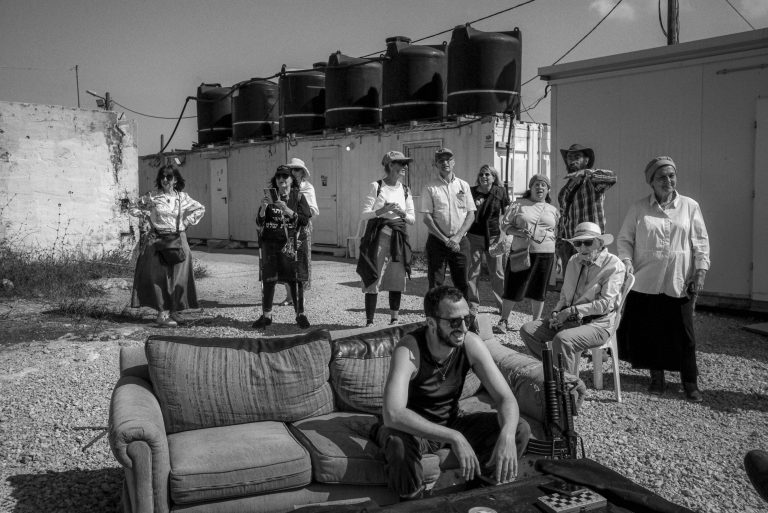
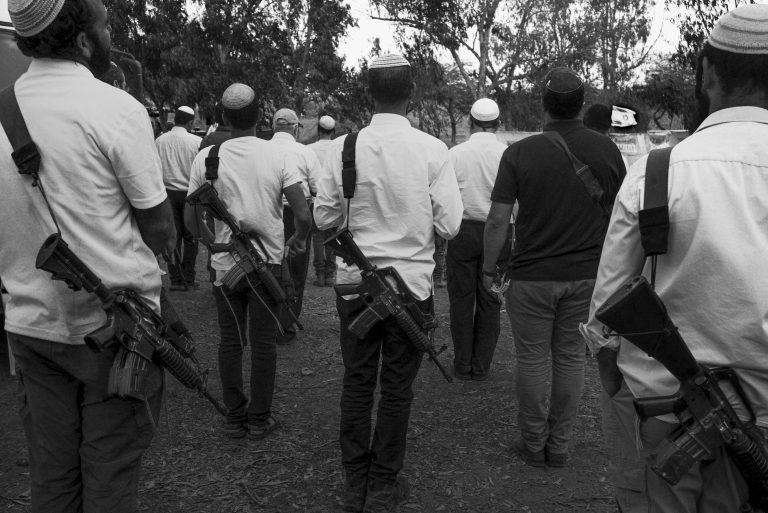
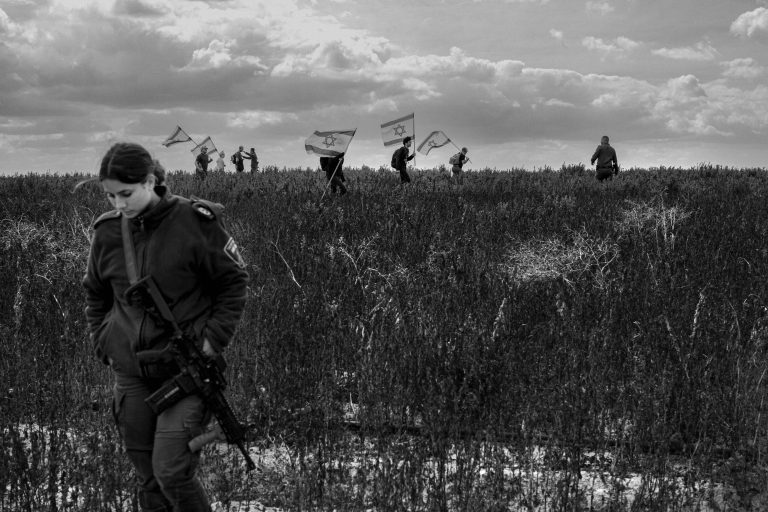
- Israel. Nahal movement camp for the recolonization of Gaza near the Hetz Shachor monument.
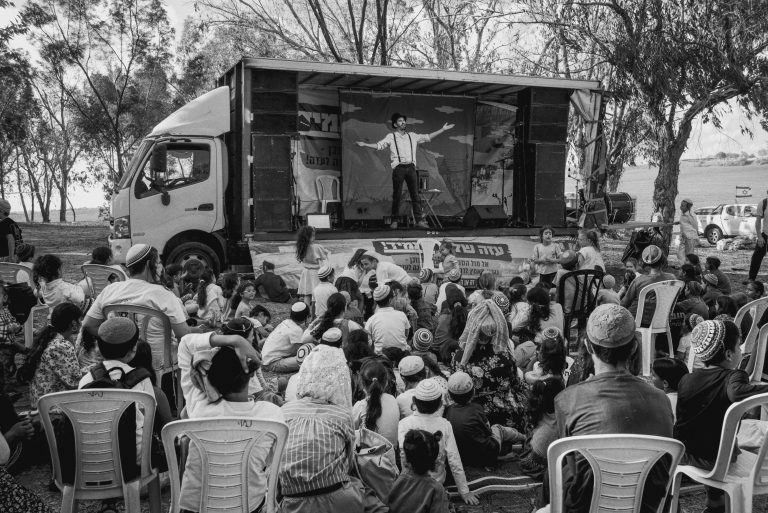
- Um-Al Kheir. West Bank. Shimon Atiya, a violent settler known to the authorities.
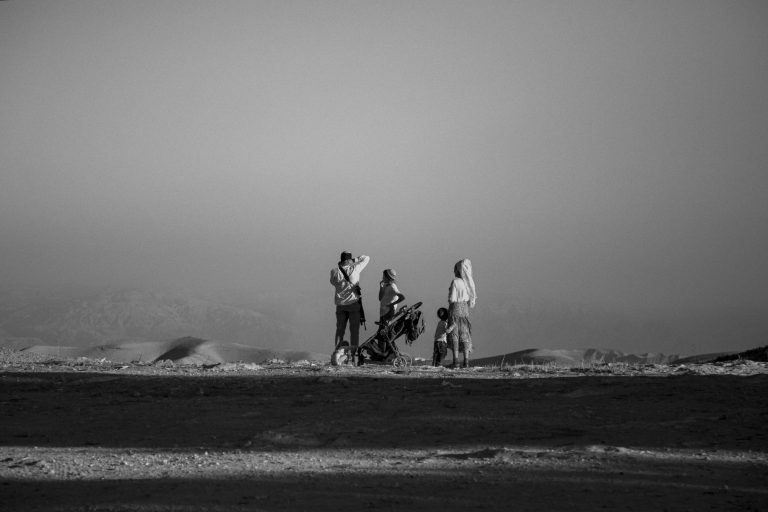
- Elei Azza outpost, Israel. It is an outpost that is illegal under Israeli and international law, and has just been established near Erez, very close to the Gaza Strip. The intention of the small group of inhabitants is to return to colonize Gaza.
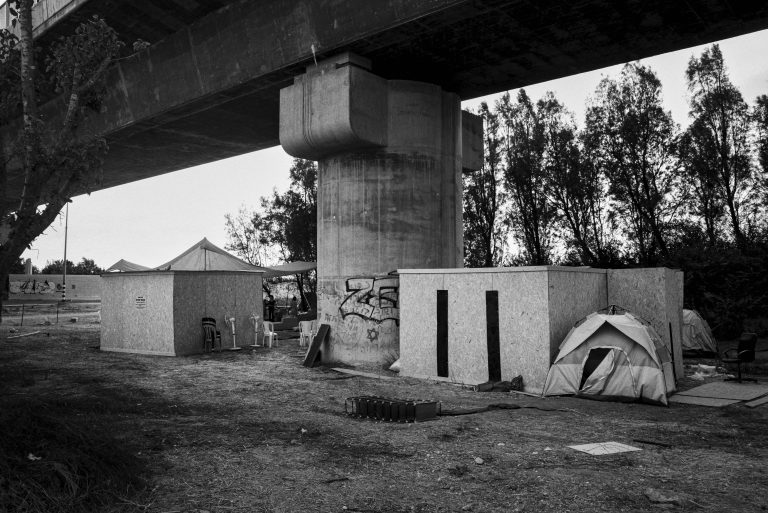
- Elei Azza outpost, Israel. It is an outpost that is illegal under Israeli and international law, and has just been established near Erez, very close to the Gaza Strip. The intention of the small group of inhabitants is to return to colonize Gaza.
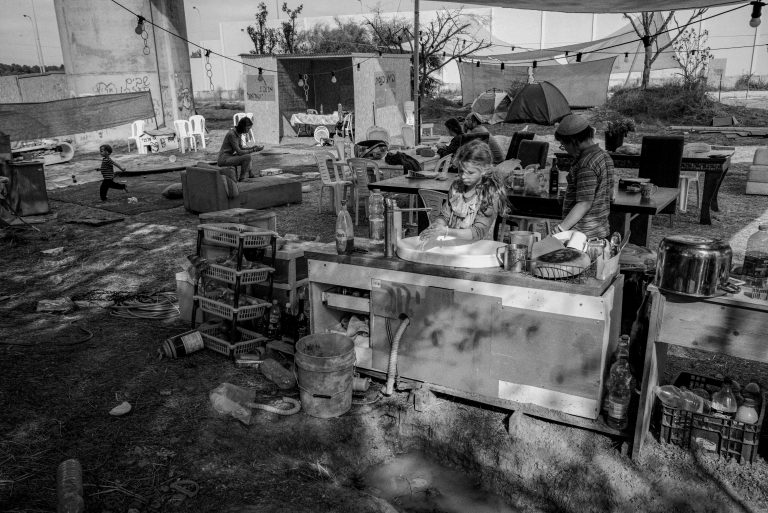
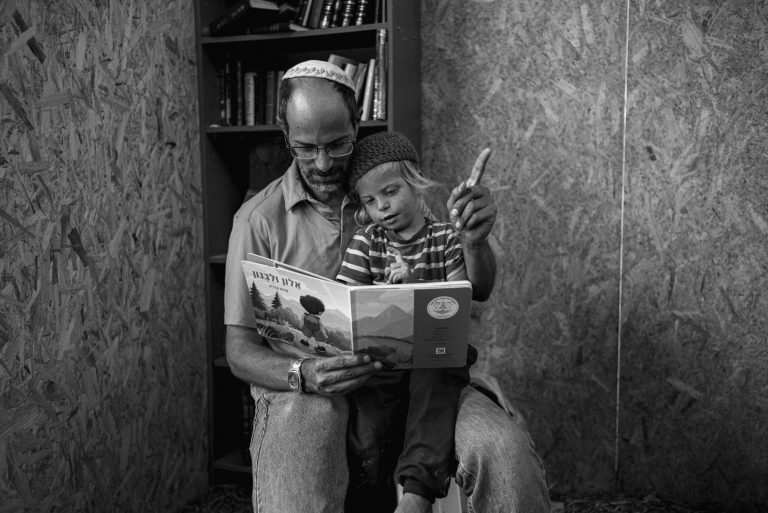
- Elei Azza outpost, Israel. It is an outpost that is illegal under Israeli and international law, and has just been established near Erez, very close to the northern Gaza Strip. The intention of the small group of inhabitants is to return to colonize Gaza. In the photo, Ariel University professor Amos Azaria shows his son his new children’s book, Alon and the Lebanon, with which he hopes to educate the younger generation about the colonization of southern Lebanon from an early age in the makeshift synagogue with chipboard tables.
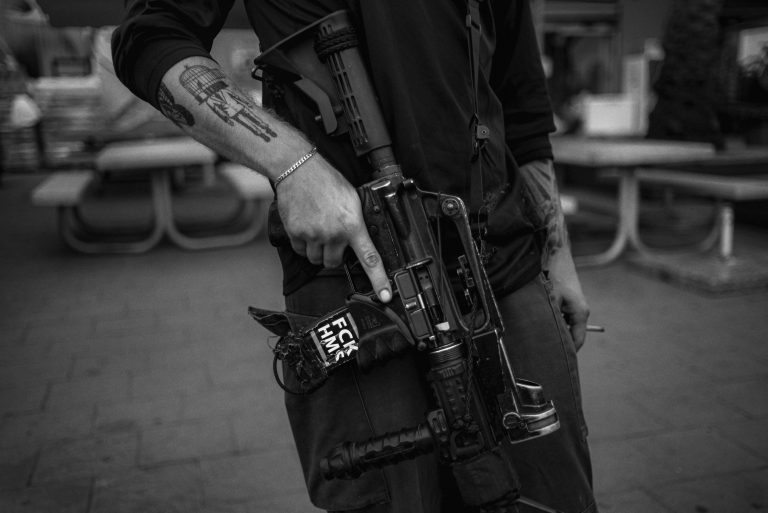
- Erez, West Bank. M16 in the hands of an Israeli soldier with an anti-Hamas sticker.
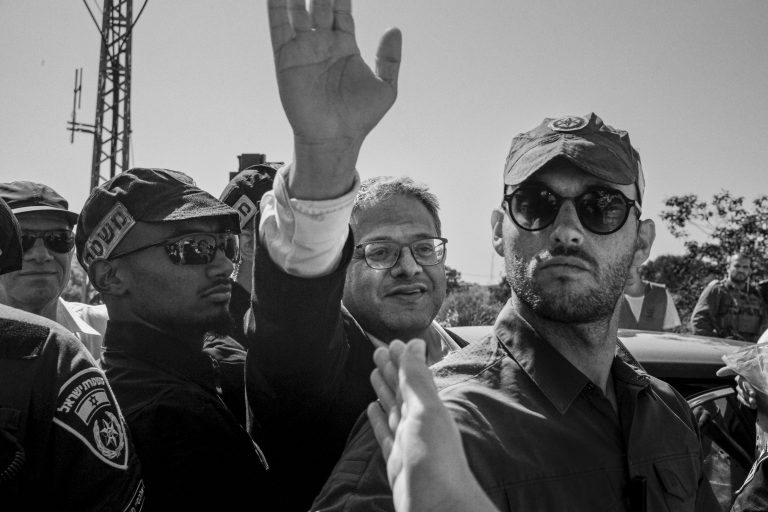
- Sderot, Israel. Israel’s Minister of Internal Security Itamar Ben Gvir greets the crowd during the march marking the anniversary of the founding of the State of Israel, calling for the return of Israelis to the Gaza Strip.
- Israel. Nahal movement camp for the recolonization of Gaza near the Hetz Shachor monument.
- Karem Shalom, Israel. Protesters from the Tzivka Mor movement demonstrate to demand a halt to humanitarian aid to Gaza.
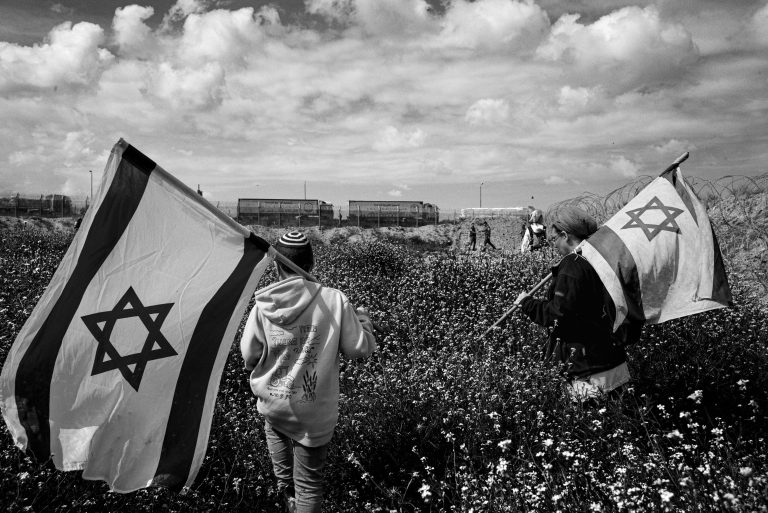
- Karem Shalom, Israel. Protesters from the Tzivka Mor movement demonstrate to demand a halt to humanitarian aid to Gaza.
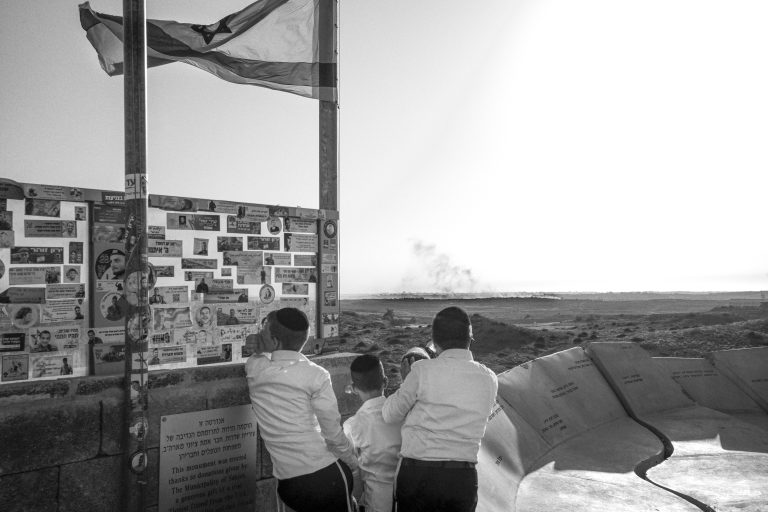
- Sderot, Israel. From a viewing platform, observers watch Gaza’s destructio trough binoculars paying five shekels.